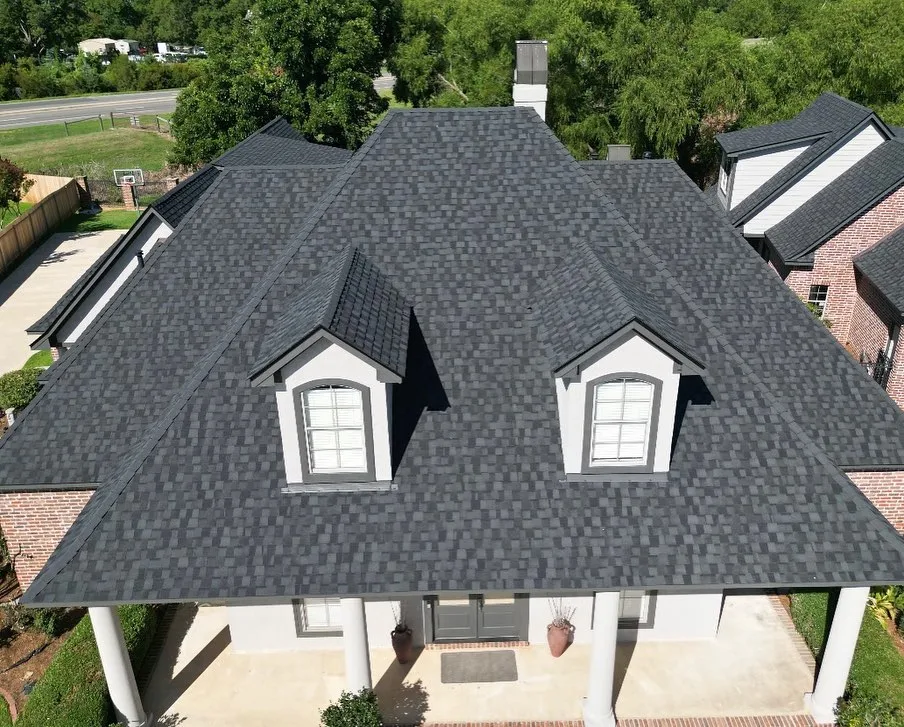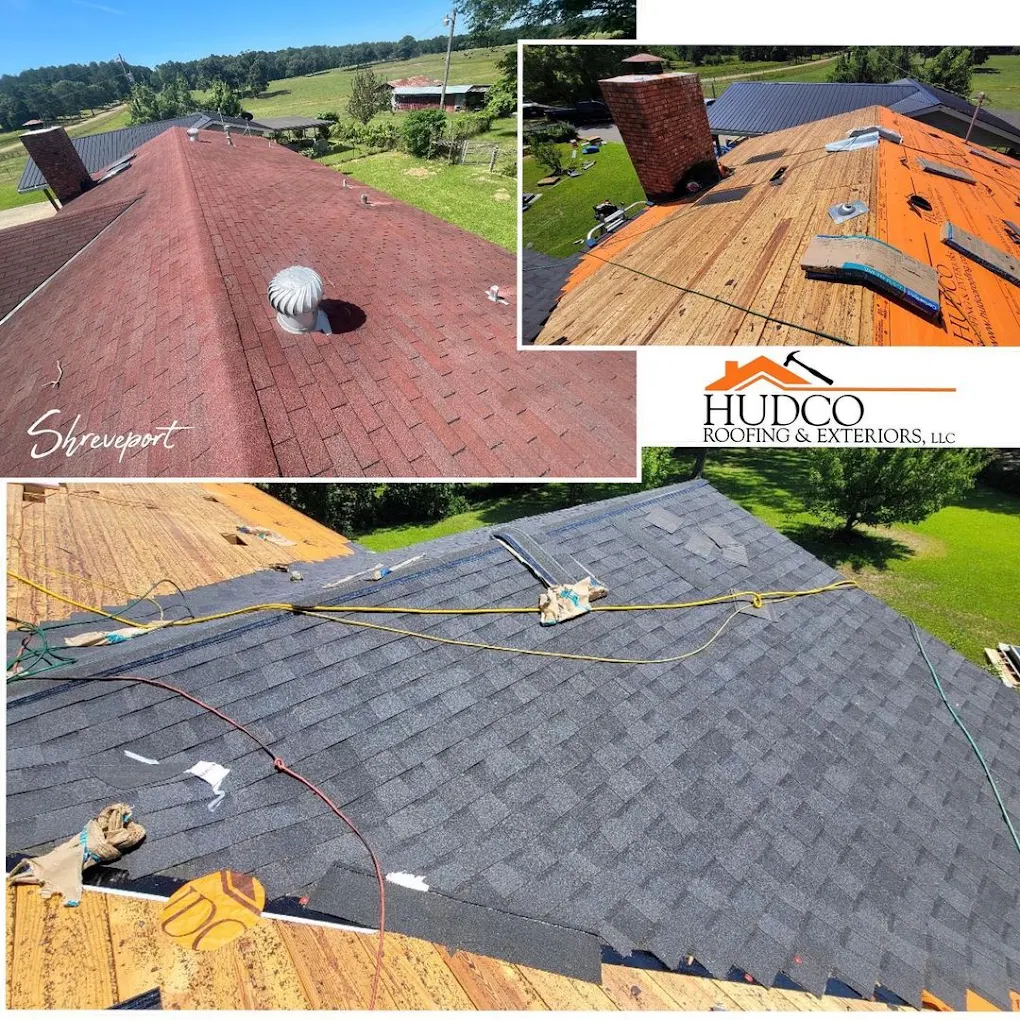
A homeowner asking how much does it cost to insulate an attic usually wants a clear number. A fair starting range is about $1 to $4 per square foot for many attic insulation projects. That can place a basic 1,000-square-foot attic near $1,000 to $4,000 before old insulation removal, air sealing, moisture work, pest cleanup, or roof repairs. HouseGuide shows that the recent national pricing data for attic projects is roughly $1,000 to $2,700, yet the final price depends on the home and the work needed.
That range may feel wide, and it is. One attic may need a fresh layer of blown-in insulation over a clean, dry floor. Another attic may contain wet material, open air gaps, blocked vents, animal waste, damaged decking, or an active roof leak. For that reason, HUDCO Roofing starts with the attic and roof condition rather than guessing from square footage alone.
How Much Does It Cost to Insulate an Attic in a Typical Louisiana Home?
For many homes, the attic insulation cost falls between $1,000 and $4,000. Smaller, open attics with dry surfaces and easy access often land near the lower part of the range. Larger attics, higher R-value targets, tight access, old insulation removal, and repair work push the price higher.
The estimate usually covers three main parts: material, labor, and preparation. Material choice can change the price by thousands of dollars. Labor changes with attic height, access, heat, wiring, ductwork, framing, and the time needed to protect the home. Preparation may include sealing air leaks, clearing debris, adding vent baffles, fixing damaged wood, or removing insulation that no longer performs well.
In plain terms, asking how much to insulate attic space without checking the attic is a bit like pricing a roof from the driveway. The square footage matters, yet the hidden condition matters just as much.
How Much Does It Cost to Insulate an Attic by Square Footage?
The table below gives a planning range based on $1 to $4 per square foot. It does not replace an on-site quote.
|
|
|
|
|
|
|
|
|
|
|
|
|
|
|
For example, a 1,200-square-foot attic with clean decking and easy access may need a straightforward blown-in installation. The same size attic can cost far more if a crew must remove wet insulation, seal many gaps, correct vent problems, and repair roof damage before adding new material.
Homes in Acadiana can request a local review from a Roofing Company in Lafayette, LA. Local weather, home age, attic layout, and roof condition can shift the estimate.
How Much Does It Cost to Insulate an Attic With Different Materials?
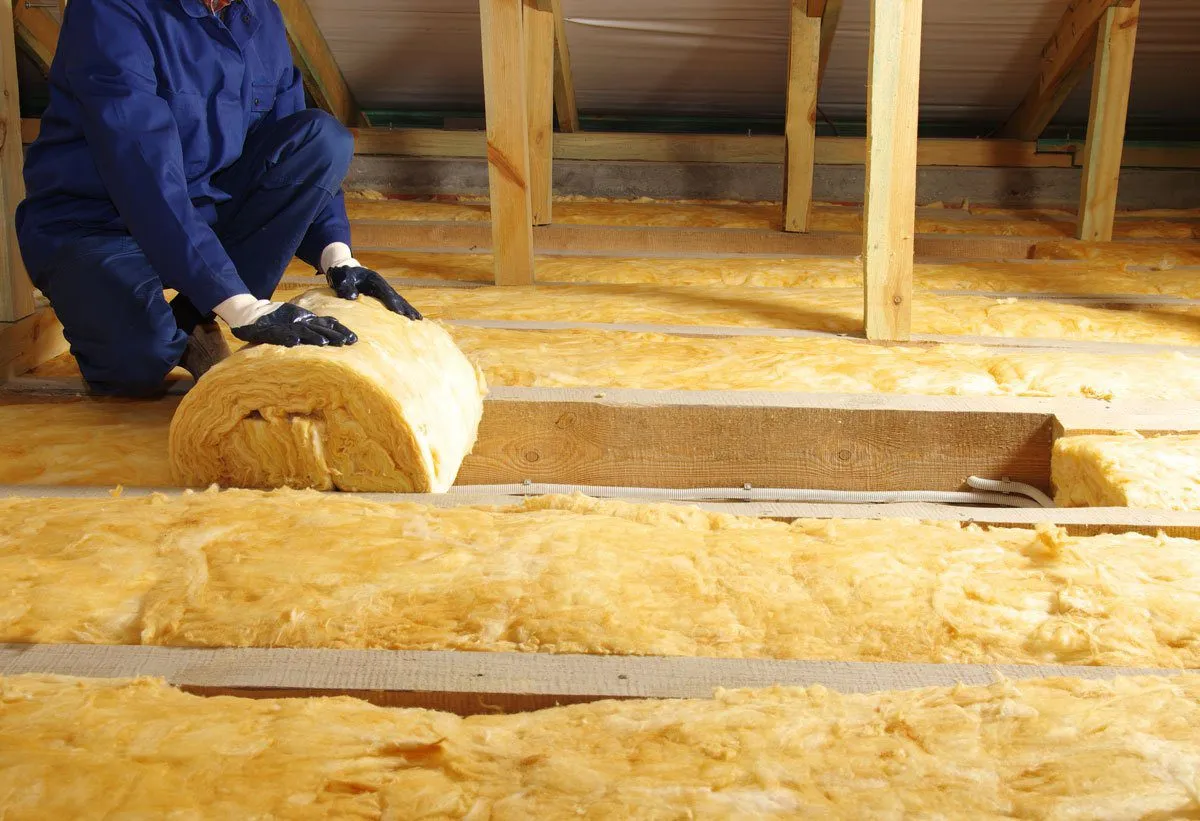
The insulation material has a direct effect on the cost to insulate attic space. Each option fits a different attic layout and budget.
Blown-in fiberglass or cellulose
Blown-in material often costs about $1 to $2.80 per square foot installed in national cost guides. It works well across open attic floors and around odd shapes. The installer must apply an even depth, keep soffit paths open, and avoid burying heat-producing fixtures that need clearance.
Fiberglass batts or rolls
Batt insulation often runs about $0.80 to $2.60 per square foot installed. It can work well in open, evenly spaced joist bays. Gaps, compression, pipes, wires, and uneven framing can reduce performance, so careful fitting matters.
Spray foam
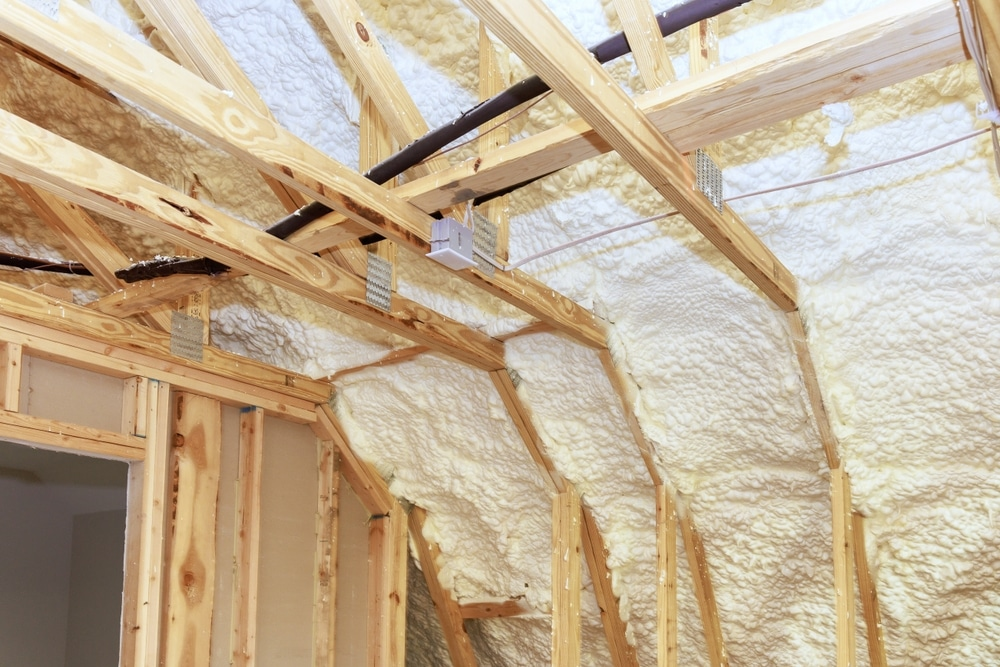
Spray foam may cost about $1.50 to $5 per square foot installed, with some roof-deck projects rising past that range. Foam can seal air leaks and create a different attic setup, yet the roof assembly, ventilation plan, moisture path, HVAC layout, and product choice need a trained review before work starts.
Radiant barrier
A radiant barrier may cost about $0.30 to $2 per square foot installed. It reflects radiant heat, but it does not work like standard insulation and does not carry its own built-in R-value. It may support a larger attic plan rather than replace the main insulation layer. The U.S. Department of Energy explains the difference between thermal insulation and radiant barriers in its home insulation guide.
The cheapest material is not always the lowest-cost choice over time. Poor fitting, thin coverage, blocked airflow, and untreated moisture can leave the attic hot and the home uncomfortable. A good quote should name the product, planned depth, target R-value, preparation steps, labor, cleanup, and warranty terms.
How Much Does It Cost to Insulate an Attic After Removing Old Material?
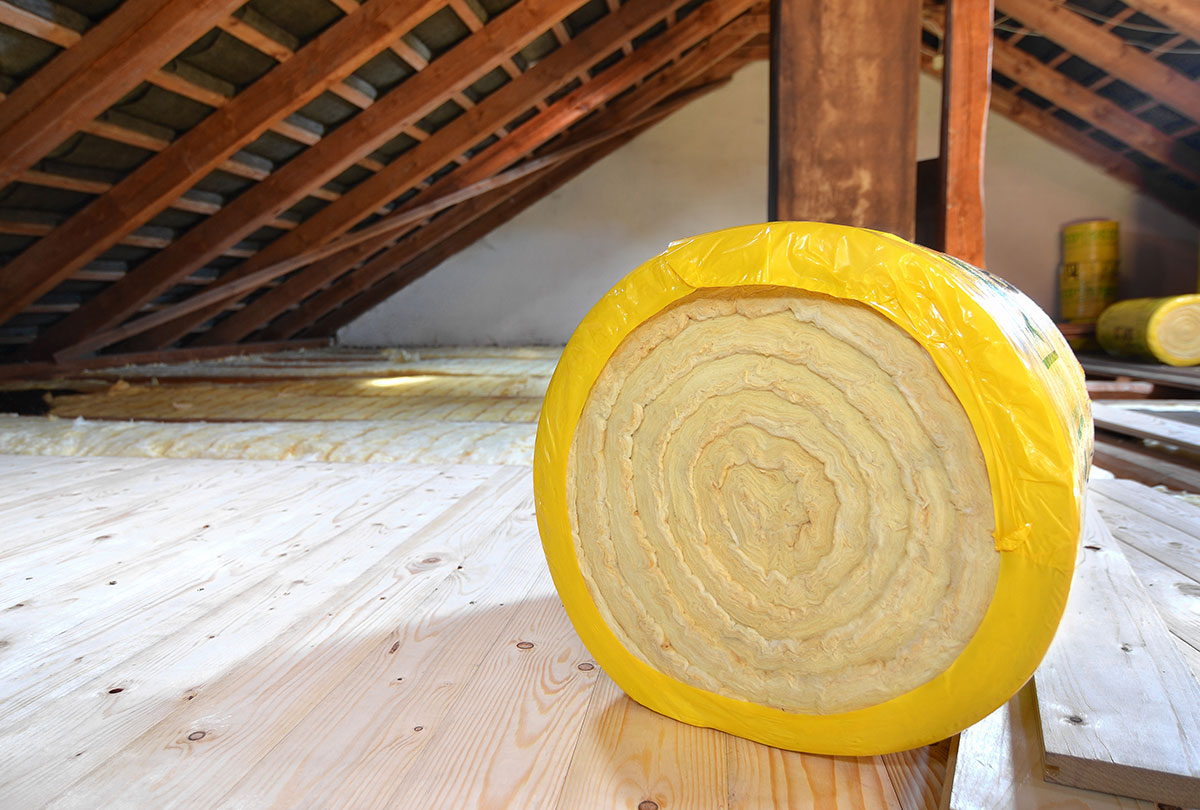
Old insulation removal may add about $1 to $2 per square foot. Full replacement projects can reach roughly $2 to $8 per square foot after removal, preparation, material, and labor enter the scope.
Removal often makes sense in these cases:
- Water has soaked the insulation: Wet material can lose performance and may hold moisture near wood framing. Before new insulation goes in, HUDCO Roofing can check whether a leak calls for roof repair.
- Animals have entered the attic: Droppings, nesting material, damaged ducts, and torn insulation can create a bigger cleanup job. Pest entry points should be addressed before the new layer covers the attic floor.
- Smoke, soot, or fire damage is present: Contaminated material may need removal rather than a new layer on top. The scope can include cleaning and damaged-material disposal.
- The old insulation has settled or shifted: Some old insulation may stay in place if it remains dry and clean. A crew can sometimes add new material over it, but the final R-value and air-sealing needs still require a proper check.
- Roof work exposes a larger problem: Active storm damage can change the order of work. If water is entering now, emergency roof repair comes before fresh insulation.
Here’s the catch: covering damaged insulation can hide the source without fixing it. The better route is to correct the leak, moisture, pest, or wiring issue, then install insulation on a clean and stable base.
How Much Does It Cost to Insulate an Attic After Air Sealing and Vent Work?
Air sealing closes gaps around plumbing lines, wiring holes, wall tops, attic hatches, duct openings, and other paths between the living area and attic. Insulation slows heat flow, but open gaps can still move air. The Department of Energy notes that insulation performance depends on material, thickness, density, placement, moisture, and air leakage.
Air sealing may add several hundred dollars or more. The total rises when the attic has many openings, recessed lights, a large chase, damaged ducts, or hard-to-reach edges. Vent baffles, soffit corrections, bathroom exhaust changes, and roof vent work can add another line to the quote.
At the same time, these steps can protect the insulation job from early trouble. New insulation should not block soffit airflow or cover a moisture source. For coastal homes, a Roofing Company in New Orleans, LA can review roof and attic conditions as one connected system.
How Much Does It Cost to Insulate an Attic With Roof Repairs Included?
A roof leak can soak insulation, stain decking, damage ceiling drywall, and raise humidity in the attic. In that case, the insulation price is only part of the job. The quote may include shingle replacement, flashing work, decking replacement, vent repair, or a larger roofing project.
A small repair may solve a local leak. A roof near the end of its service life may make residential roof replacement the better use of the budget. Storm-related damage may support an insurance claim, depending on the policy, cause of loss, documentation, and insurer decision.
For homes needing stronger storm protection, HUDCO Roofing provides FORTIFIED Roofing. Louisiana homeowners can review program rules, funding notices, and current registration details through the Louisiana Fortify Homes Program. The state program says qualifying grants can reach up to $10,000 when funded, and the completed roof must meet the IBHS FORTIFIED Roof Standard. Registration status can change, so homeowners should check the state page before making plans.
Property owners seeking a Roofing Contractor in Lake Charles, LA can ask HUDCO Roofing to inspect the roof before attic work begins.
How Much Does It Cost to Insulate an Attic in a Commercial Building?
Commercial attic and roof spaces vary widely. A small office with a sloped roof may resemble a home project. A large building with a low-slope roof, mechanical equipment, long duct runs, fire rules, and limited access needs a different scope.
For that reason, commercial pricing may use square footage, crew hours, access needs, safety setup, material type, disposal, and roof repairs. A business with roof leaks should schedule commercial roof repair before new insulation covers signs of water entry.
A written commercial quote should separate insulation, roof work, removal, equipment protection, cleanup, and any after-hours scheduling. Clear line items make budget review much easier.
How Much Does It Cost to Insulate an Attic, and What Raises the Price?
Several details can move the estimate up or down:
- Attic size and shape: A large open attic needs more material, yet it may move faster than a smaller attic with tight corners and many obstructions. Valleys, additions, low clearances, and split levels add labor.
- Current insulation depth: A thin but clean layer may allow a top-up. Wet, dirty, compacted, or pest-damaged material may need removal, which adds labor and disposal.
- Target R-value: R-value measures resistance to heat flow. A higher target often needs greater depth or a higher-priced material. The right target depends on climate, assembly, and current conditions.
- Attic access: A wide pull-down stair makes movement easier. A small hatch, high ceiling, narrow entry, or long carry path can slow the crew and raise labor cost.
- Air leaks and ventilation: Open gaps, blocked soffits, poor exhaust routing, and damaged vents need correction. Skipping that work may save money on day one, yet it can weaken the result.
- Roof condition: Leaks, soft decking, failed flashing, and storm damage must be handled before new insulation. Fresh material should never become a cover for active water entry.
- Electrical and HVAC items: Old wiring, uncovered junction boxes, recessed fixtures, ducts, and attic equipment can affect the installation plan. Some items may need service from another licensed trade.
How Much Does It Cost to Insulate an Attic With HUDCO Roofing?
HUDCO Roofing begins with an inspection, measures the attic, checks insulation depth, looks for roof leaks, reviews access, and notes ventilation or air-sealing needs. From there, the estimate can show what the project includes rather than giving one vague lump sum.
A clear HUDCO Roofing quote may cover:
- The attic square footage and work area
- Existing insulation condition
- Removal and disposal, if needed
- Air sealing and vent protection
- Insulation type, planned depth, and target R-value
- Roof or decking repairs
- Labor, cleanup, and warranty details
Budget concerns should not stop a homeowner from asking for a quote. HUDCO Roofing provides information about financing options for qualifying roofing projects. Financing terms, approval, rates, and monthly cost depend on the lender and applicant.
HUDCO Roofing works across multiple Louisiana communities. Homeowners can connect with a Roofing Company in Shreveport, LA or review all Areas We Serve.
Contact HUDCO Roofing for Proper Attic Insulation Services in Louisiana
So, how much does it cost to insulate an attic? Many homeowners can use $1 to $4 per square foot as a starting point, with common full-attic totals near $1,000 to $4,000. Then, removal, air sealing, moisture work, vent changes, difficult access, and roof repairs can move the final price.
At the end of the day, the best quote explains the full job. HUDCO Roofing can inspect the attic and roof, point out the work that matters, and provide a written estimate based on the home rather than a guess.
Ready to price the project? Call 318-584-0044 or use the HUDCO Roofing Contact Page to request an attic insulation and roof inspection.
Frequently Asked Questions
How much does it cost to insulate an attic with blown-in insulation?
Many blown-in projects fall near $1 to $2.80 per square foot, but removal, sealing, access, material depth, and roof repairs can raise the total. An attic inspection gives a more useful number than a square-foot estimate alone.
How much to insulate attic space in a 1,000-square-foot home?
A planning range is about $1,000 to $4,000 for a 1,000-square-foot attic. The final total can rise if the attic needs old insulation removal, pest cleanup, moisture work, air sealing, vent corrections, or roof repair.
Can new insulation go over old insulation?
Yes, in some dry and clean attics. The existing material should not contain moisture, animal waste, mold-like growth, smoke residue, or heavy damage. The crew should check air leaks and ventilation before adding the new layer.
Does attic insulation lower cooling costs?
Proper insulation slows heat flow between the attic and living space. It can reduce the load on the cooling system, yet results differ by home, duct condition, air leakage, thermostat use, and current insulation level. The Department of Energy explains how insulation resists heat flow and how R-value relates to performance.
Should roof repairs happen before attic insulation?
Yes, if the roof leaks or the decking has damage. Fixing the water source first protects the new material and gives the insulation a dry place to perform.
Is spray foam always the best attic insulation?
No. Spray foam can work well in the right roof and attic setup, but it carries a higher price and needs the right ventilation, moisture, fire, HVAC, and roof plan. Blown-in insulation or batts may suit another home better.
Can HUDCO Roofing provide an exact attic insulation price by phone?
A phone conversation can provide a broad range. An exact quote needs attic measurements and a review of material depth, access, leaks, vents, wiring, ducts, and removal needs.