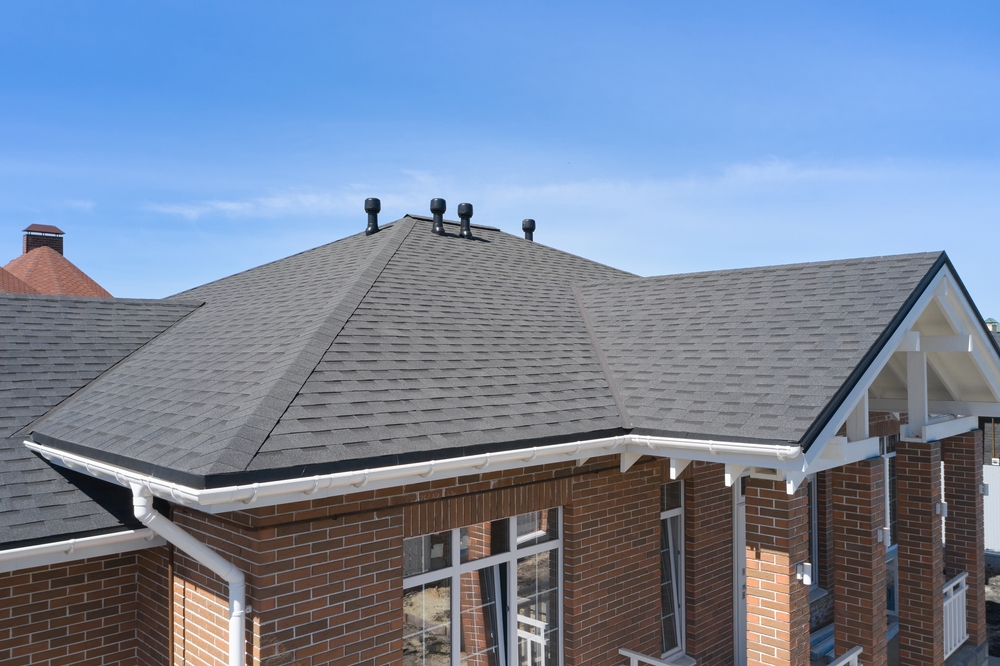
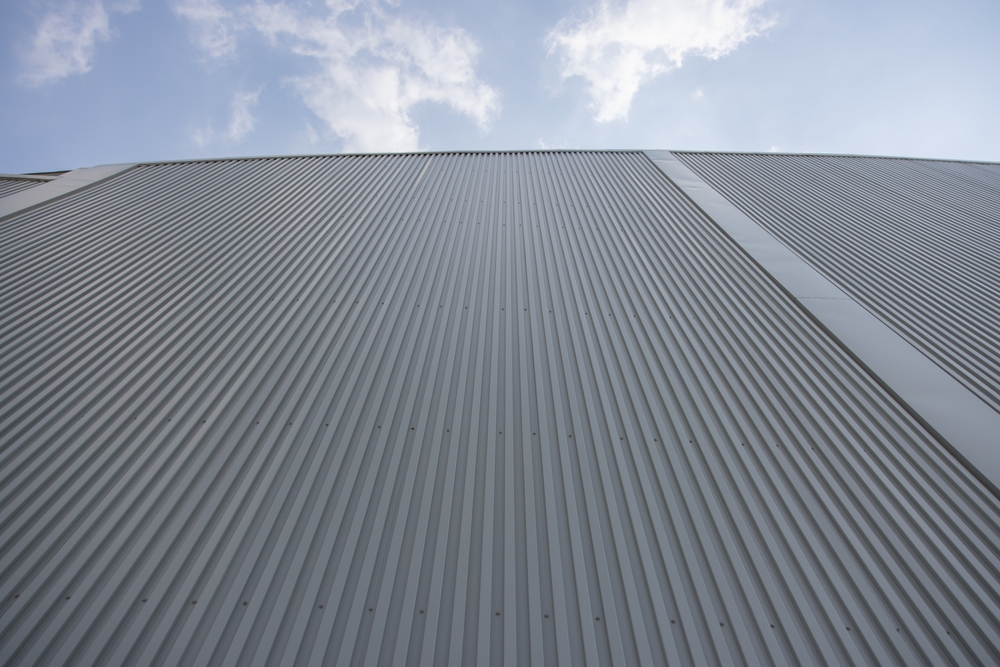
Choosing the right roof coating can make a big difference in how well a roof handles heat, heavy rain, and everyday wear. Two popular options are aluminum roof coating and silicone roof coating. Both can protect certain roofing materials, but each has different strengths, costs, and maintenance needs.
For property owners in Louisiana, this decision matters. Hot summers, high humidity, and strong storms can wear down roofing materials over time. A coating may help extend the life of a roof that’s still in good condition, but choosing the wrong product can lead to wasted money and recurring problems.
So, which coating works better?
The answer depends on the existing roof material, its condition, drainage, and the problems that need attention. HUDCO Roofing helps homeowners and business owners make that decision through professional roof inspections and practical recommendations.
What Is Aluminum Roof Coating, and How Does It Work?
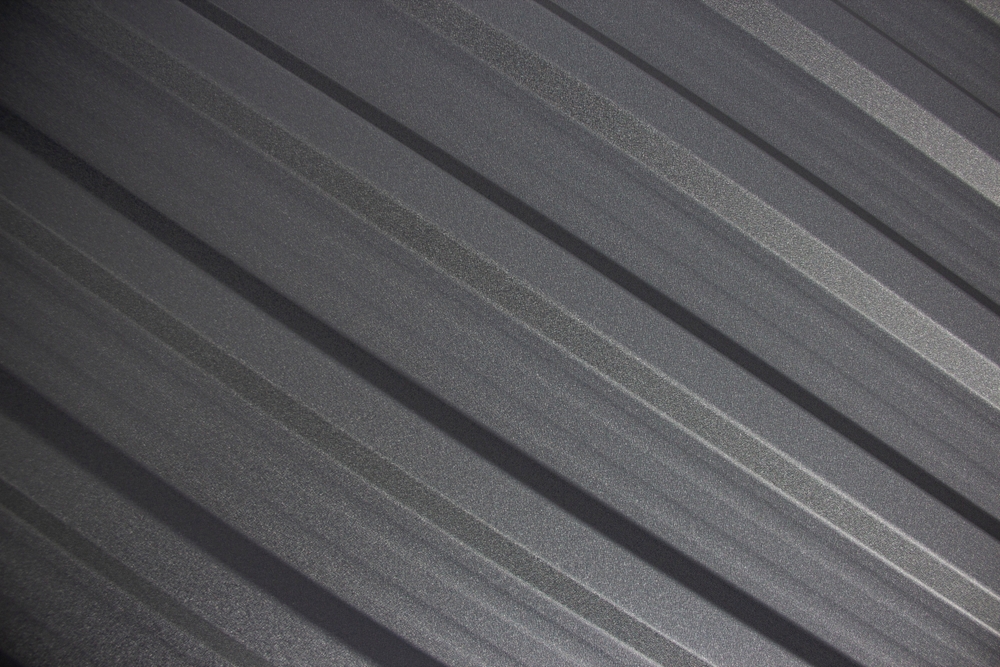
Aluminum roof coating is a reflective coating that protects compatible roofing surfaces from sunlight and everyday weather exposure. Many products contain aluminum pigments mixed into an asphalt-based formula. Once applied, the coating creates a silver-colored surface that reflects some of the sun’s heat.
Think of it as an extra protective layer for an existing roof. Instead of letting the roof absorb as much sunlight, the reflective finish helps reduce surface temperatures and limits damage from UV exposure.
Aluminum coatings commonly work on certain metal roofs, built-up roofing systems, and modified bitumen roofs. Still, not every roof is a suitable candidate, so checking product compatibility matters.
Benefits of Aluminum Roof Coating
Reflects sunlight and reduces roof temperatures
The metallic finish helps reflect solar heat, which can keep the roof surface cooler during hot weather. For buildings with high cooling demands, this may help reduce the amount of heat entering the property.
Protects compatible roofing materials
Aluminum coating provides a protective finish against UV exposure and normal weathering. On suitable metal roofing systems, certain formulas can help protect against surface rust after proper preparation.
May extend the life of an existing roof
A sound roof with minor surface wear may benefit from a properly installed coating. The coating protects the roofing material from further exposure, potentially delaying a more expensive replacement.
Can offer a lower initial material cost
Traditional aluminum coatings often cost less than premium silicone products. Still, the final project price depends on surface preparation, repairs, application requirements, and the size of the roof.
For homeowners considering roof maintenance, HUDCO Roofing can check whether a reflective coating makes sense or whether repairs would provide better protection.
A trusted Roofing Company in Lafayette, LA can help identify existing roof damage before any coating work begins.
How Does Silicone Compare to Aluminum Roof Coating?
Silicone roof coating works differently from aluminum-based products. Instead of concentrating mainly on reflective surface protection, silicone forms a flexible, water-resistant membrane across a suitable roof. This makes silicone particularly useful for low-slope and flat roofing systems that face frequent rain or occasional standing water.
For example, rainwater may collect around drains or low areas on a commercial roof. Certain silicone coating systems can tolerate prolonged contact with standing water without breaking down like some other coating materials.
Another advantage is flexibility. Roofing materials naturally expand and contract as temperatures change. Silicone can move with the roof surface, helping the coating remain intact.
HUDCO Roofing provides silicone roof coating services for suitable roofing systems, helping property owners protect roofs that remain in serviceable condition.
Benefits of Silicone Roof Coating
Strong resistance to standing water
Many silicone coating systems resist damage from water that collects on flat roofs. Still, poor drainage needs attention, since standing water can place extra stress on the roofing structure.
Flexible protection against weather exposure
Silicone remains flexible through normal temperature changes. This helps the coating handle movement without cracking as easily as less flexible materials.
Suitable for many commercial roofing systems
Certain silicone products can cover compatible metal, modified bitumen, and existing membrane roofs after proper preparation. Surface testing and primer requirements depend on the manufacturer and roofing material.
Reflective options are available.
White silicone coatings can reflect considerable sunlight and help lower roof temperatures. That makes silicone a possible choice for property owners concerned about both heat and moisture.
For commercial buildings experiencing recurring surface deterioration, HUDCO Roofing can assess whether coating restoration or commercial roof repair offers a better long-term solution.
Property owners looking for a Roofing Company in New Orleans, LA can request an inspection before choosing a coating system.
Aluminum Roof Coating vs. Silicone: Which Performs Better?
Both products have advantages, but choosing the better coating requires looking beyond the price tag.
1. Heat Reflection
Aluminum roof coating reflects sunlight through its metallic finish, making it useful for controlling roof surface temperatures.
White silicone coatings can provide strong solar reflectance too, so aluminum doesn’t automatically win this category. The actual performance depends on the product’s tested reflectance rating, coating condition, and surface cleanliness.
According to the U.S. Environmental Protection Agency, reflective roofing materials can reduce roof temperatures and lower heat transfer into buildings.
2. Waterproofing and Standing Water
Silicone often has the advantage for low-slope roofs exposed to occasional ponding water. Many silicone products resist prolonged moisture exposure, making them useful for suitable commercial roofing applications.
Traditional aluminum coatings are usually better suited to roofs with proper drainage and minimal standing water. Some specialty aluminum products offer greater water resistance, so product specifications still matter.
3. Durability and Maintenance
Both coatings can provide years of service with correct installation and regular maintenance.
Aluminum coatings can lose reflectivity or wear down through weather exposure. Silicone coatings may collect dirt over time, reducing reflectivity and creating additional cleaning needs.
For a closer look at coating lifespan, read HUDCO Roofing’s guide on how long roof coating for a metal roof lasts.
4. Installation Cost
Traditional aluminum coating products often have a lower upfront material cost. Silicone products typically cost more, and some systems require extra preparation or specialized materials.
Still, a cheaper coating won’t save money if it doesn’t match the existing roof. HUDCO Roofing can inspect the surface, identify necessary repairs, and recommend a suitable system before work begins.
Does Aluminum Roof Coating Stop Leaks?
One of the most common questions homeowners ask is, does aluminum roof coating stop leaks?
The answer is that some products can seal very small surface cracks or pinholes, but aluminum coating shouldn’t serve as the main fix for an active roof leak.
For example, a metal roof might develop a leak around a loose fastener, damaged flashing, or an opening near a pipe. Rolling coating over the area without correcting the problem can leave water entering underneath.
The same problem can happen with silicone. Even a high-quality coating can’t fix rotted decking, loose roofing panels, or major structural damage.
Before applying either product, HUDCO Roofing can inspect the roof and recommend appropriate roof repair services.
For sudden water intrusion after a severe storm, emergency roof repair should take priority over coating work.
If the damage came from high winds or another covered event, HUDCO Roofing can provide roofing assessments and help homeowners through the roofing insurance claims process.
How to Apply Aluminum Roof Coating Correctly
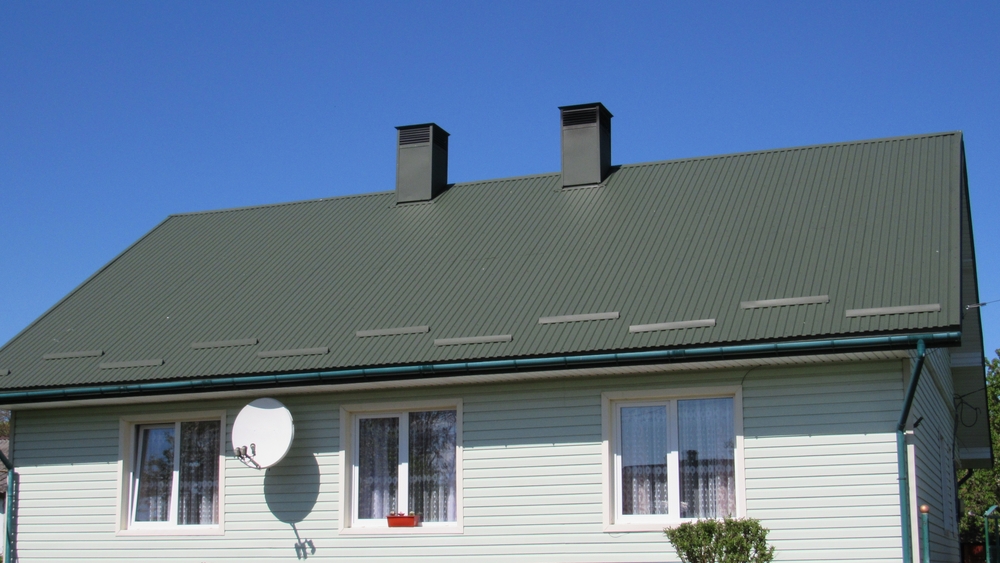
Proper application makes a major difference in how long a coating lasts. Even a good product can fail early if the roof surface contains dirt, trapped moisture, rust, or loose material.
Here’s how a typical professional application works.
- Inspect the existing roof: HUDCO Roofing checks the roofing material, drainage, seams, flashing, and surface condition. Any damaged sections need attention before coating begins.
- Clean and prepare the surface: Dirt, loose debris, and contamination can prevent coating from bonding correctly. The surface must dry fully, and rusted areas may need treatment or a compatible primer.
- Repair cracks and problem areas: Loose fasteners, damaged seams, and flashing problems need proper repairs. Applying a coating over these issues won’t provide reliable long-term protection.
- Apply the coating according to manufacturer instructions: The product may require mixing, special application equipment, and a particular coverage rate. HUDCO Roofing can determine the correct application method and suitable weather conditions for the chosen system.
- Allow proper drying and check the finished surface: Drying time changes with temperature, humidity, and product thickness. After application, the coating needs enough time to cure before exposure to conditions outside the manufacturer’s requirements.
Working on a roof can be dangerous, particularly on steep surfaces or around damaged materials. Professional installation helps avoid uneven coverage, poor bonding, and missed repair areas.
Homeowners searching for a Roofing Contractor in Lake Charles, LA can contact HUDCO Roofing for an inspection before starting a coating project.
Can You Paint Over Aluminum Roof Coating?
Yes, certain compatible coatings can go over an existing aluminum-coated surface, but ordinary exterior paint isn’t automatically suitable.
Many aluminum roof coatings contain asphalt-based materials that can interfere with paint adhesion. Applying an incompatible paint may cause peeling, bubbling, or premature coating failure.
Before repainting an aluminum-coated roof, consider the following:
- Check the existing coating: A coating with peeling, rust, or poor adhesion needs attention first. Covering a failing surface with another product won’t fix the material underneath.
- Confirm product compatibility: Some coating systems require a primer or a special preparation process before applying another finish. Manufacturer instructions should guide the choice rather than relying on standard house paint.
- Inspect for trapped moisture: Water underneath the existing coating can prevent new materials from bonding properly. HUDCO Roofing can examine suspicious areas before recommending another application.
For property owners planning to change a roof’s color or switch coating systems, professional advice can help avoid unnecessary removal and repeated repairs.
When Is Aluminum Roof Coating Better Than Silicone?
The better coating depends on the roofing material, drainage, and overall condition. Here’s when each option makes the most sense.
When to Choose Aluminum Roof Coating
- For metal and compatible asphalt-based roofs: Aluminum coating works well on suitable roofing systems with proper drainage. It provides a reflective finish that helps protect the roof from sunlight and normal weather exposure.
- For roofs with minor surface wear: Older metal roofs with sound panels, repaired seams, and no serious rust may benefit from an aluminum coating. It can help extend the roof’s service life without requiring a full replacement.
When to Choose Silicone Instead of Aluminum Roof Coating
- For flat or low-slope roofs: Silicone is often a better choice for compatible roofing systems that need additional moisture protection. Certain products can handle prolonged standing water without breaking down.
- For roofs exposed to frequent rain: Silicone creates a flexible, water-resistant membrane that can handle normal roof movement and changing temperatures. Proper preparation and repairs are still necessary before application.
When Aluminum Roof Coating Isn’t Enough
Neither coating can fix major roofing problems. HUDCO Roofing may recommend other solutions for:
- Severe roof damage: Widespread rust, damaged decking, and recurring leaks may require major repairs or residential roof replacement.
- Storm-damaged roofing systems: HUDCO Roofing provides FORTIFIED roofing system installation for homeowners seeking stronger protection against severe weather. The Louisiana Fortify Homes Program provides information about qualifying upgrades and available financial assistance. A roof coating alone doesn’t qualify a roof for FORTIFIED certification.
- Roofs requiring replacement: If coating or repair isn’t practical, homeowners can review HUDCO Roofing’s roof financing options to help plan the project.
Choosing Between Aluminum Roof Coating and Silicone
So, is aluminum roof coating better than silicone?
For reflective protection on suitable metal and asphalt-based roofs, aluminum can be a cost-effective option. For certain flat and low-slope roofs that need greater resistance to standing water, silicone may provide a better fit.
The bigger question is whether the existing roof can benefit from a coating in the first place.
A professional inspection can uncover problems that aren’t obvious from the ground, including failing seams, deteriorated flashing, hidden moisture, and damaged roofing materials. Catching these issues early helps avoid spending money on a coating that won’t solve the underlying problem.
HUDCO Roofing provides roofing inspections, repairs, coatings, and roof replacement services across Louisiana. Property owners searching for a Roofing Company in Shreveport, LA can count on HUDCO Roofing for practical recommendations based on the actual condition of the roof.
Get Professional Aluminum Roof Coating Advice From HUDCO Roofing
Not sure whether aluminum or silicone coating is right for your roof? HUDCO Roofing can inspect the roofing system, explain the available options, and help determine whether coating, repair, or replacement makes the most sense.
Call 318-584-0044 or visit the HUDCO Roofing Contact Page to schedule a roof inspection and discuss the next steps for protecting your property.
FAQs About Aluminum Roof Coating
How long does aluminum roof coating last?
The lifespan depends on the coating formula, application quality, roof condition, and weather exposure. Some products have warranties covering several years, but actual service life can vary. Regular inspections help catch wear before bigger problems develop.
Is aluminum roof coating waterproof?
Aluminum coating can provide water-resistant surface protection, and certain formulas may seal minor imperfections. Still, it isn’t a substitute for repairing active leaks, damaged flashing, or failing roofing materials.
Can aluminum roof coating go on a flat roof?
Some aluminum products work on compatible low-slope roofing systems, particularly certain asphalt-based roofs. Standing water may limit which products are suitable, so the roof’s drainage and manufacturer requirements need checking first.
Is silicone roof coating more expensive than aluminum roof coating?
Silicone often costs more upfront, especially for premium commercial applications. The total price depends on roof size, surface preparation, repair needs, and application requirements. A roof inspection gives property owners a clearer idea of the actual cost.
Can aluminum roof coating be applied over shingles?
Most conventional aluminum coatings aren’t intended for standard asphalt shingles. Applying an unsuitable coating can change drainage behavior, affect the shingles, and create warranty concerns. HUDCO Roofing can recommend repair or replacement options for aging shingle roofs.
Which coating is better for Louisiana’s weather?
Both can work well on the right roof. Aluminum may be suitable for reflective protection on certain sound metal or asphalt roofing systems. Silicone often provides an advantage on compatible low-slope roofs that experience prolonged moisture exposure. The existing roof condition should guide the final decision.