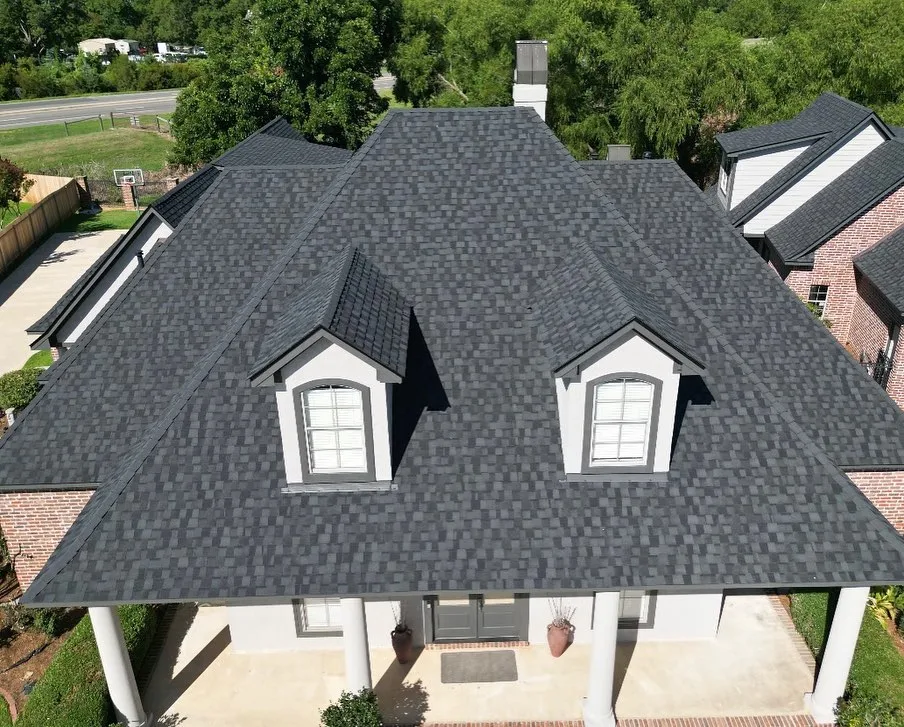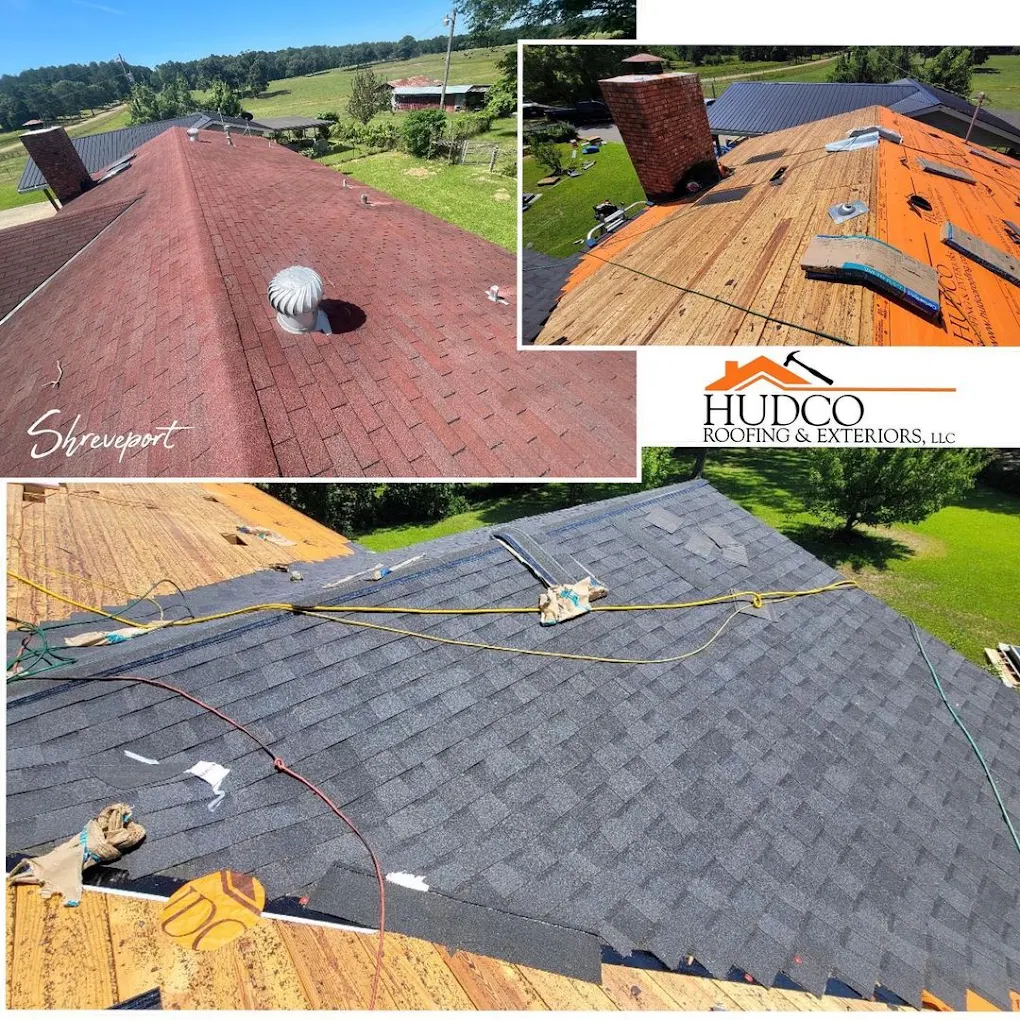
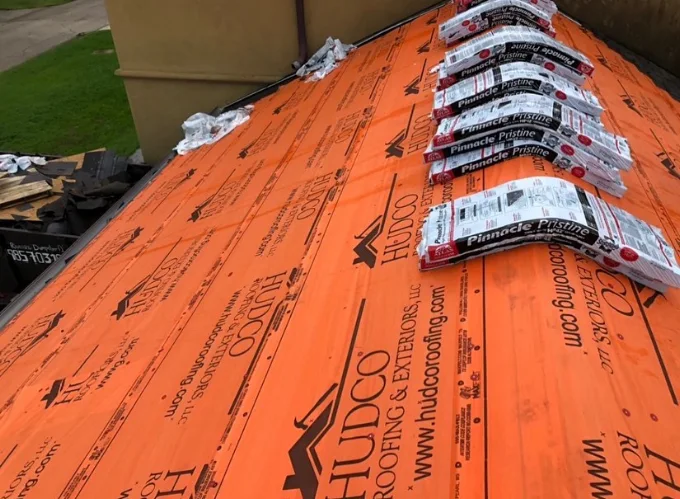
A finished roof may look like shingles, metal panels, or another outer covering, yet another layer sits underneath that visible surface. That layer is roofing underlayment. Homeowners asking what is underlayment are usually trying to figure out why a roof needs a material that can’t be seen from the ground. The short answer is that underlayment gives the roof deck another line of defense against water that gets past the outer roofing material.
In Louisiana, that extra layer matters. Wind-driven rain, strong storms, damaged shingles, loose flashing, and aging roofing materials can all give water a path into the roof system. HUDCO Roofing checks the condition of the full roof assembly during repair and replacement work.
What Is Underlayment and What Does It Do on a Roof?
So, what is underlayment in practical terms? Roof underlayment is a sheet material installed over the roof deck and below shingles, metal panels, or another roof covering. It helps reduce the chance that water reaching the deck will move into the attic and living space.
Underlayment isn’t a substitute for a sound roof covering. Instead, it works as a backup layer. For example, if a shingle lifts during a storm, underlayment may help limit water entry until a repair can be completed.
If a roof already shows missing shingles, loose materials, or active leaks, HUDCO Roofing can inspect the problem and recommend the right roof repair plan. For sudden storm damage or active leaking, emergency roof repair may be the better next step.
What Is Underlayment Made From? Common Roofing Underlayment Types
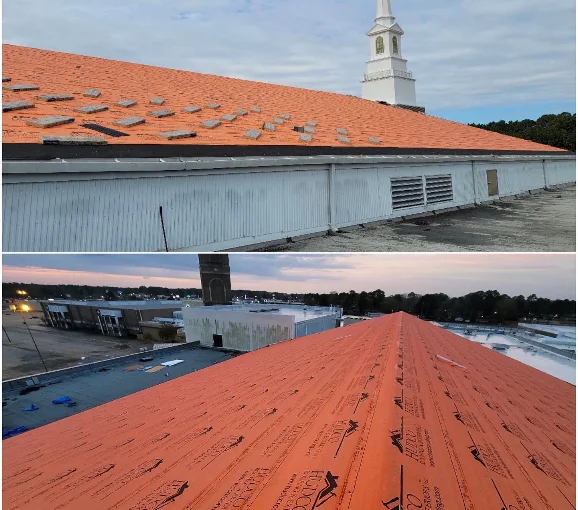
Roofing underlayment comes in several forms. The roof covering, slope, local code, manufacturer instructions, and project goals all affect the material choice.
Asphalt-saturated felt
This traditional option is often called roofing felt or tar paper. It has been used for many years under asphalt shingles and other roof coverings. Felt can provide a basic secondary water barrier, yet it can tear or wrinkle if it stays exposed to weather for too long.
Synthetic underlayment
Synthetic sheets are common on modern roof projects. Many products are lighter than felt, resist tearing well, and give roofing crews a steady surface during installation. Product ratings vary, so the material still needs to match the roof covering and manufacturer rules.
Peel-and-stick underlayment
This material bonds directly to the roof deck and can create a tighter water barrier in selected areas or across larger sections of a roof. It is often used around valleys, eaves, penetrations, and other spots that may face a greater chance of water entry.
FEMA includes roof underlayment in its wind-resistant roof guidance and lists requirements for several roof-covering types. A roofer still needs to follow local code and the roofing manufacturer’s instructions for the actual project.
What Is Underlayment for a Metal Roof?
Metal roofing needs careful planning below the panels, which is why homeowners often ask about metal roof underlayment during a new roof or replacement project. The selected layer needs to work with the panel system, roof deck, slope, climate, and manufacturer requirements.
A metal roof can heat up in the sun and cool down later, so the products beneath the panels need to suit that roof assembly. Moisture control matters, too. For this reason, HUDCO Roofing looks at the entire roof system rather than choosing underlayment as a stand-alone item.
If an older roof is ready for replacement, a full residential roof replacement gives the roofing crew a chance to inspect the deck, remove damaged material, install new roofing underlayment, and place the new covering correctly from the start.
What Is Underlayment Used for During Louisiana Storms?
Louisiana roofs can face heavy rain and high winds. Underlayment helps create another barrier between the outer roof covering and the wood deck. Still, the details around edges, valleys, vents, chimneys, and roof penetrations matter just as much as the sheet material itself.
Homeowners interested in stronger storm protection can review HUDCO Roofing’s roofing system installation service. Louisiana’s official FORTIFIED Roof program explains that a sealed roof deck is part of its roof standard and helps reduce water entry if the exterior roof covering comes loose or blows away.
HUDCO Roofing serves property owners across Louisiana. Homeowners can view the full Areas We Serve list. Property owners near the capital can connect with a Roofer in Baton Rouge, LA for local roof needs.
What Is Underlayment Installation Like?
Underlayment installation starts after the roof deck is ready. A roofing crew checks the deck for soft spots, rot, loose sections, old fasteners, or other damage. Any needed deck repairs come before the new underlayment.
Next, the crew installs the selected material in the correct direction and pattern. Sheets need the right overlap, fastening method, and treatment at edges and penetrations. Peel-and-stick products need a clean surface and firm contact with the deck. Then flashing and the final roof covering are installed so each layer works with the next one.
At the same time, roof edges, valleys, vents, and other openings need careful attention. Water often finds weak spots around roof details rather than moving straight through the center of a roofing material. Proper flashing and placement help the underlayment work with the rest of the roof.
This is one reason roof replacement isn’t just a matter of laying new shingles over an old surface. Hidden layers can affect how well the finished roof handles rain and wind. Property owners near Acadiana can speak with a Roofing Company in Lafayette, LA about inspection, repair, or replacement needs.
What Is Underlayment Damage and When Does It Need Replacement?
Underlayment can wear out, tear, pull away, or lose performance after years of roof exposure and repeated storm events. In many cases, the condition can’t be confirmed from the ground. A roof inspection may be needed, and the full condition may become clear once old roofing material is removed.
Warning signs that may point to problems in the roof system include:
Recurring leaks:
A leak that keeps returning after minor repairs may point to a larger issue above the deck. The leak path can move, so the wet spot inside the home may not sit directly under the roof opening. Finding the source early can help limit damage to the deck, insulation, and interior surfaces.
Missing or damaged roofing materials:
Shingles or panels that are loose, cracked, torn, or missing can leave underlayment exposed to weather. From there, water and sunlight may shorten the life of the layer beneath. A quick repair may prevent a smaller issue from spreading across a larger section of the roof.
Soft or stained decking:
Moisture can weaken roof decking over time. If a roofer finds soft wood or water staining, the repair plan may need to address more than the outer covering. Damaged decking often needs attention before new underlayment or roofing material goes into place.
Storm-related damage can involve an insurance claim, and HUDCO Roofing can help property owners with roofing insurance claims. For larger replacement projects, homeowners can review available roof financing options.
Property owners in South Louisiana can contact a Roofing Company in New Orleans, LA for local service. In Southwest Louisiana, HUDCO Roofing serves clients looking for a Roofing Contractor in Lake Charles, LA as well.
What Is Underlayment for Commercial Roofing?
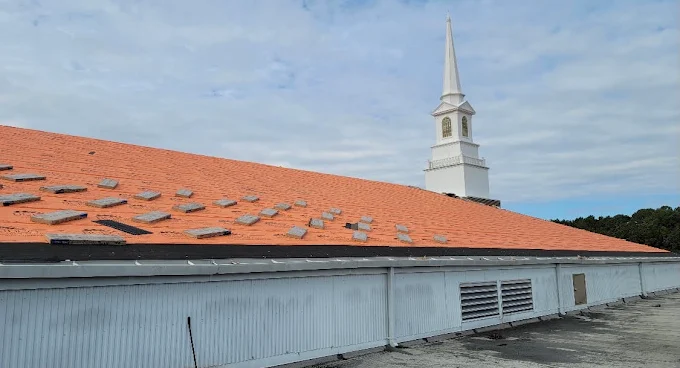
Commercial buildings can have different roof assemblies from homes, so the material below the finished roof surface can vary from one property to another. The deck, insulation, membrane, slope, drainage plan, and manufacturer specification can all affect the roof system.
For that reason, a commercial roof inspection should look at the complete assembly rather than one layer by itself. A leak may start around a seam, flashing detail, roof opening, drainage area, or damaged section of membrane.
HUDCO Roofing provides commercial roof repair for businesses dealing with leaks, storm damage, aging materials, or other roof concerns. North Louisiana property owners can work with a Roofing Company in Shreveport, LA for residential or commercial roofing needs.
Why Choose HUDCO Roofing for Roofing Installation in Louisiana
A homeowner doesn’t need to see underlayment every day for it to matter. This hidden layer supports the roof’s ability to handle water that gets past the exterior covering, and the right product needs correct placement to do its job.
HUDCO Roofing handles roof inspections, repairs, full replacements, storm-related work, and commercial roofing across Louisiana. Each project starts with the condition of the roof, the building, and the materials already in place, so recommendations can match the actual property rather than a one-size-fits-all plan.
For help with a leaking, aging, storm-damaged, or replacement-ready roof, contact HUDCO Roofing through the Contact Page or call 318-584-0044. A roof inspection can help show what is happening above the deck and whether the underlayment, roof covering, or another part of the system needs attention.
Frequently Asked Questions
What is roof underlayment?
Roof underlayment is a layer installed between the roof deck and the outer roofing material. It helps limit water entry if moisture gets past shingles, panels, or another roof covering.
Is roofing underlayment waterproof?
Some peel-and-stick products can create a very strong water barrier, yet underlayment should still be treated as part of a complete roof system. The roof covering, flashing, deck, fasteners, edges, and penetrations all need proper installation.
Does every roof need underlayment?
Most common roof systems use some form of underlayment or secondary water-control layer. The exact product and installation method depend on the roof covering, building code, manufacturer requirements, and project design.
What is the best metal roof underlayment?
There isn’t one material that fits every metal roof. The right choice depends on the metal panel system, roof deck, slope, temperature exposure, moisture conditions, and manufacturer instructions.
Can old underlayment stay during roof replacement?
That depends on the roof assembly and condition of the existing materials. In many replacement projects, removing the old covering gives the roofer a better view of the deck and allows damaged materials to be found before the new roof is installed.