When homeowners ask how to insulate an attic, the conversation usually starts with comfort and energy bills. From a roofer’s point of view, attic insulation plays an equally big role in roof life. Poor insulation traps heat, stresses shingles, and pushes moisture into places it does not belong. Over time, that stress leads to leaks, warped decking, and repairs that cost more than they should.
Insulating an attic keeps indoor temperatures steady, helps HVAC systems run smoother, and reduces strain on roofing materials. A properly insulated attic supports long-term roof performance, especially in Louisiana’s heat and humidity.
How to Insulate an Attic: Signs Your Home Needs More Insulation
Before adding insulation to attic spaces, it helps to spot the warning signs. Many homes show clear clues that insulation levels fall short.
Uneven Temperatures Between Rooms
Some rooms stay hot no matter how low the thermostat goes. This usually points to heat escaping through the attic floor.
High-Energy Bills During Summer
Air conditioning runs longer and harder when attic insulation breaks down or sits too thin.
Warm Ceilings or Drafty Rooms
Heat transfer through the ceiling tells roofers that insulation coverage lacks depth or consistency.
When these signs show up, checking attic insulation becomes a smart move for both comfort and roof protection.
How to Insulate an Attic: Choosing the Right Insulation Type
Homeowners often ask which material works best when learning how to insulate an attic. Each option has strengths, and the right choice depends on attic layout, roof design, and budget.
- Fiberglass batts. These fit between joists and work well in open attic spaces. Installation stays straightforward, yet gaps reduce performance if not placed carefully.
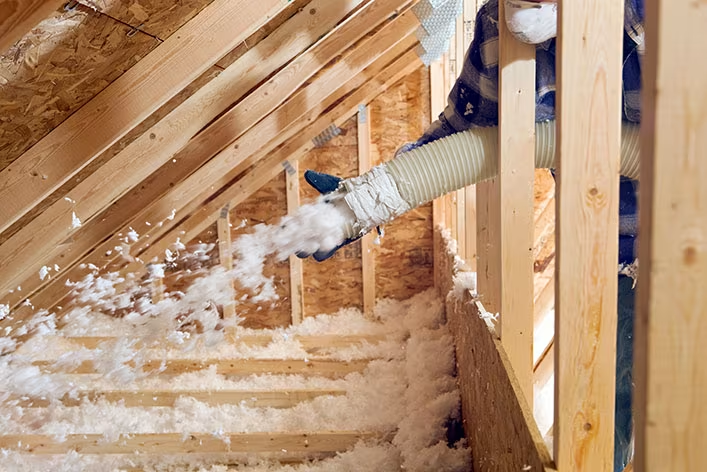
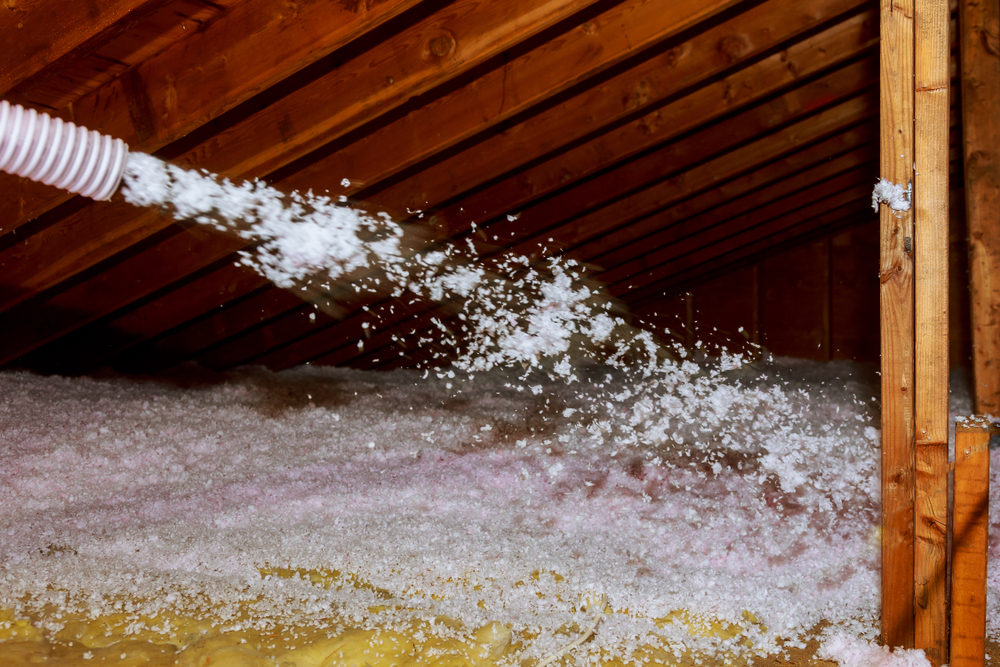
- Blown-in insulation. Loose-fill fiberglass or cellulose spreads evenly across attic floors. This option covers hard-to-reach spots and works well during insulation upgrades.
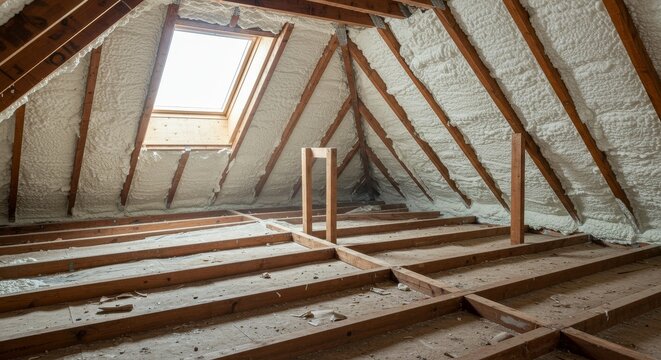
- Spray foam insulation. Foam seals air leaks and adds strong thermal resistance. Roofers often recommend this option during major roof work or when moisture control matters most.
A roofing inspection helps match insulation type with roof structure, ventilation, and long-term goals.
How to Insulate an Attic: Step-by-Step for Homeowners
Many homeowners wonder, can you install attic insulation yourself? In some cases, yes. That said, roofing professionals often see mistakes that reduce insulation value and create roof risks. Here is a clear, step-by-step look at the process.
1. Inspect the Attic Space First
Look for roof leaks, wet insulation, or mold. Fixing roof issues comes before adding insulation. Services like Roof Repair or Emergency Roof Repair handle these problems early.
2. Seal Air Leaks
Small gaps around vents, wiring, and attic hatches let conditioned air escape. Sealing these areas keeps new insulation working as intended.
3. Check Ventilation Paths
Attic airflow protects shingles and decking. Blocking vents with insulation leads to moisture buildup and roof damage.
4. Install Insulation Evenly
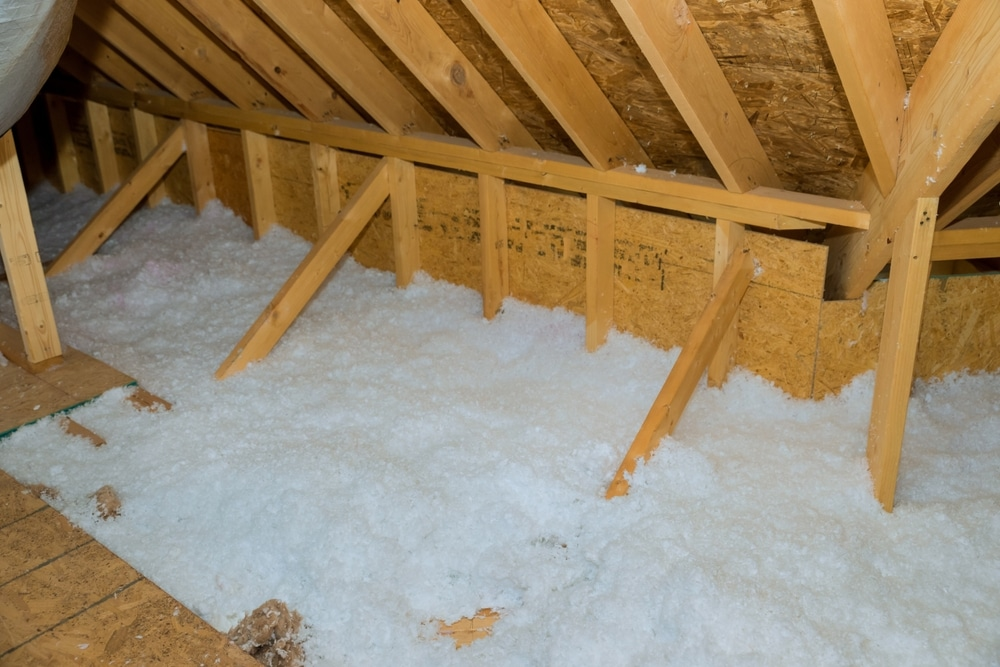
Spread or place insulation without compressing it. Consistent depth across the attic floor delivers steady temperature control.
5. Verify Final Coverage
Measure insulation depth to confirm it meets recommended R-values for Louisiana homes.
Skipping any step often leads to comfort problems and roof concerns down the line.
How to Insulate an Attic Without Harming Your Roof
Roofers frequently fix damage tied to insulation mistakes. Common problems show up after DIY projects that overlook roof systems.
- Blocked soffit or ridge vents. Insulation pushed into vents traps heat and moisture under shingles.
- Moisture buildup. Warm, humid air condenses in poorly insulated attics, leading to rot and mold.
- Uneven insulation layers. Thin spots allow heat transfer that stresses roof decking over time.
Professional guidance helps prevent these issues and keeps roofing materials working longer.
How to Insulate an Attic and Decide When to Call HUDCO Roofing
Adding insulation to attic areas seems simple, yet roofers see hidden risks every season. HUDCO Roofing steps in when insulation projects connect with roof health, ventilation upgrades, or storm damage repairs.
Homes across Louisiana rely on HUDCO Roofing for support tied to:
- Residential Roof Replacement when insulation upgrades follow aging shingles.
- Fortified Roofing systems designed for storm resistance. Learn more about standards through the Louisiana FORTIFIED program.
- Insurance Claims after wind or hail affects attic insulation and roof structure.
- Financing Options that help homeowners handle upgrades without stress.
- Commercial Roof Repair for business properties facing insulation and roof performance issues.
How to Insulate an Attic Across South Louisiana Homes
Local climate shapes insulation needs. HUDCO Roofing serves homeowners across the region with solutions built for heat, humidity, and storms.
- Roofer in Baton Rouge, LA
- Roofing Company in Lafayette, LA
- Roofing Company in New Orleans, LA
- Roofing Contractor in Lake Charles, LA
- Roofing Company in Shreveport, LA
Each area faces unique weather patterns that affect attic insulation performance.
Contact HUDCO Roofing for Proper Attic Insulation in Louisiana
Learning how to insulate an attic helps homeowners save energy and protect their roofs. HUDCO Roofing provides inspections, repairs, and insulation guidance that support long-term home performance.
For help with attic insulation tied to roof health, call 318-584-0044 or reach out through the Contact Page. A strong roof starts with a well-insulated attic, and HUDCO Roofing stands ready to help every step of the way.
FAQs About How to Insulate an Attic
Can you install attic insulation yourself?
Yes, some homeowners handle basic projects. Roof inspections and ventilation checks still matter to avoid damage.
How often should attic insulation get checked?
Roofers recommend inspections every few years or after major storms.
Does insulation help during hurricane season?
Proper insulation reduces heat buildup and supports roof systems during extreme weather.
What R-value works best for Louisiana homes?
The U.S. Department of Energy offers regional guidance on insulation levels at energy.gov.